
Car Accident Claim Process Explained: From FIR to Compensation
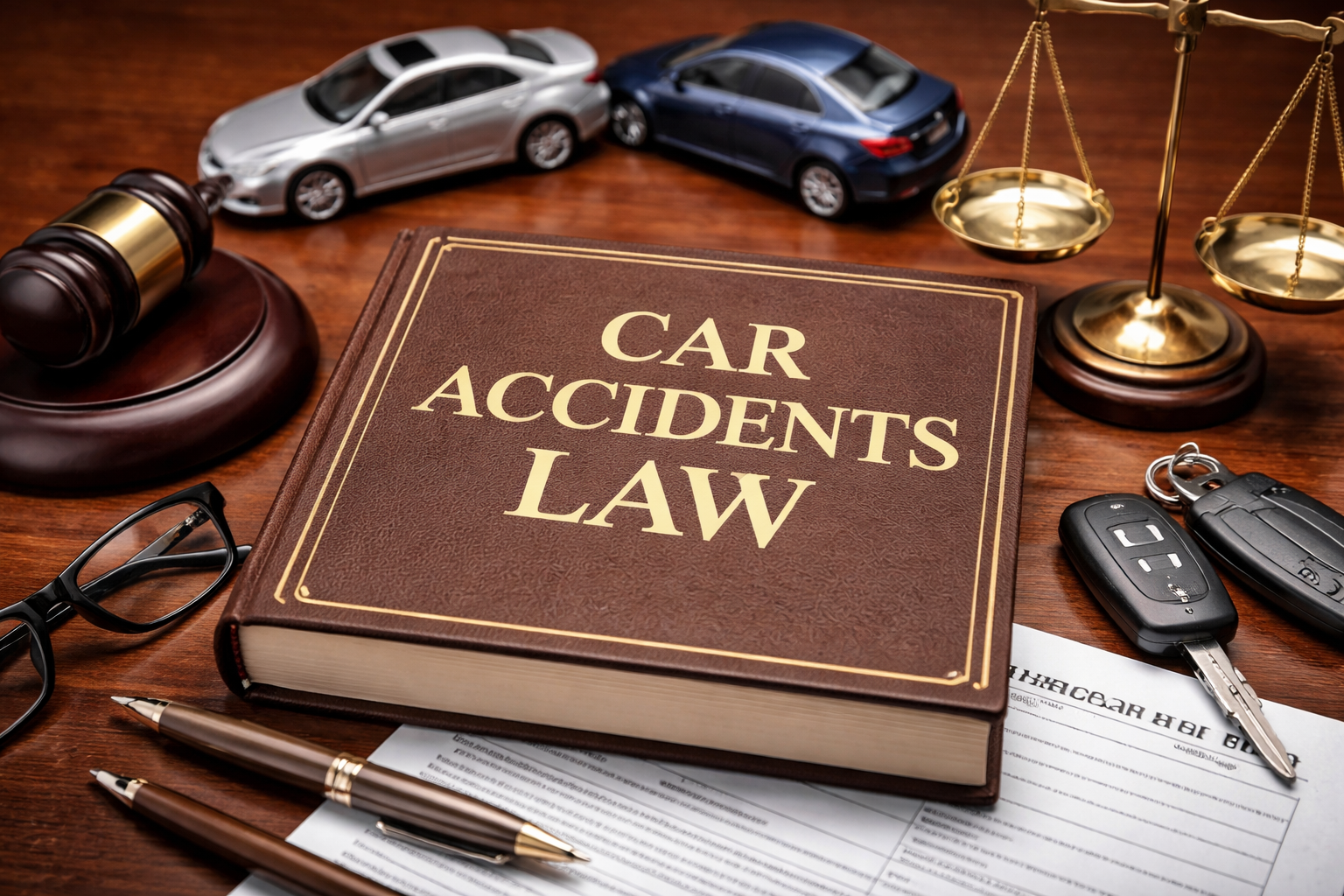
Car Accident Claim Process Explained:
Car accidents are an unfortunate reality on Indian roads, and understanding the legal process that follows is essential for every vehicle owner and victim. Whether it’s a minor collision or a serious accident, knowing how to file a claim and secure compensation can make a significant difference. This guide explains the complete car accident claim process—from filing an FIR to receiving compensation—while ensuring you understand your legal rights and responsibilities.
Understanding Car Accident Claims in India
A car accident claim is a legal process through which a victim seeks compensation for damages, injuries, or losses caused due to an accident. These claims are primarily governed by the Motor Vehicles Act, which provides a structured framework for resolving accident-related disputes.
Compensation may cover medical expenses, vehicle damage, loss of income, disability, and even emotional trauma in certain cases. The claim can be filed either with the insurance company or through a legal forum like the Motor Accident Claims Tribunal (MACT).
Step 1: Ensure Safety and Seek Medical Help
Immediately after an accident, the first priority should be safety. Check for injuries and call emergency services if required. Even if injuries appear minor, it is advisable to seek medical attention, as some conditions may not be immediately visible.
Medical records play a crucial role in determining compensation, so ensure all reports and bills are properly documented.
Step 2: File an FIR (First Information Report)
Filing an FIR at the nearest police station is a critical step, especially in cases involving injury, death, or significant damage. The FIR serves as an official record of the accident and is often required for insurance claims and legal proceedings.
Make sure the FIR includes:
- Date, time, and location of the accident
- Details of vehicles involved
- Names of drivers and witnesses
- Description of the incident
A copy of the FIR should be collected, as it will be required throughout the claim process.
Step 3: Gather Evidence at the Scene
Collecting evidence strengthens your claim and helps establish liability. Important evidence includes:
- Photographs of the accident scene and vehicle damage
- Contact details of witnesses
- Insurance details of the other party
- CCTV footage, if available
Proper documentation can significantly impact the outcome of your claim.
Step 4: Inform the Insurance Company
Notify your insurance company about the accident as soon as possible. Most insurers require immediate intimation, and delays can lead to claim rejection.
Provide accurate information and submit necessary documents such as:
- FIR copy
- Driving license
- Vehicle registration certificate
- Insurance policy details
The insurer may appoint a surveyor to assess the damage before approving the claim.
Step 5: File a Claim with MACT
If the accident involves serious injury, death, or disputes over compensation, the claim can be filed with the Motor Accident Claims Tribunal (MACT). This is a specialized court that handles accident compensation cases.
The MACT claim process includes:
- Filing a petition with relevant documents
- Presenting evidence and witness statements
- Attending hearings
- Receiving a judgment
MACT aims to provide a fair and timely resolution, usually within a few months.
Step 6: Determining Liability
Liability refers to determining who is responsible for the accident. It can be:
- Driver negligence (rash or careless driving)
- Contributory negligence (both parties share fault)
- Third-party liability
The court or insurance company evaluates evidence to establish fault, which directly affects the compensation amount.
Step 7: Calculation of Compensation
Compensation depends on several factors, including:
- Severity of injuries
- Medical expenses
- Loss of income
- Age and profession of the victim
- Permanent disability, if any
In fatal cases, compensation is calculated based on the victim’s income and dependency of family members.
Step 8: Settlement and Compensation
Once the claim is approved, compensation may be provided through:
- Insurance settlement (for minor cases)
- MACT award (for legal cases)
The compensation amount is usually transferred directly to the victim’s bank account. In some cases, structured payments may be ordered.
Common Challenges in Claim Process
While the process is structured, victims may face challenges such as:
- Delayed FIR filing
- Lack of evidence
- Insurance claim rejection
- Disputes over liability
- लंबा legal process
Being aware of these issues can help you prepare better and avoid delays.
Tips to Ensure Smooth Claim Process
To improve your chances of a successful claim:
- Always carry valid driving and vehicle documents
- Do not admit fault at the accident scene
- Keep all medical and repair bills
- Follow up regularly with the insurer or lawyer
- Seek legal advice in complex cases
These steps can help streamline the process and ensure fair compensation.
Importance of Legal Awareness
Legal awareness is crucial in accident cases. Many victims either settle for less compensation or fail to file claims due to lack of knowledge. Understanding your rights empowers you to take the right action and secure the compensation you deserve.
Conclusion
The car accident claim process in India—from FIR to compensation—may seem complex, but it becomes manageable with the right knowledge and preparation. Filing an FIR, gathering evidence, informing the insurance company, and approaching MACT when necessary are key steps in securing justice.
By staying informed and proactive, you can protect your legal rights and ensure that you receive fair compensation for your losses. In 2026, with increasing legal awareness and digital processes, the claim system is becoming more efficient, making it easier for victims to seek justice.