Business Law: The Legal Foundation of Successful Enterprises
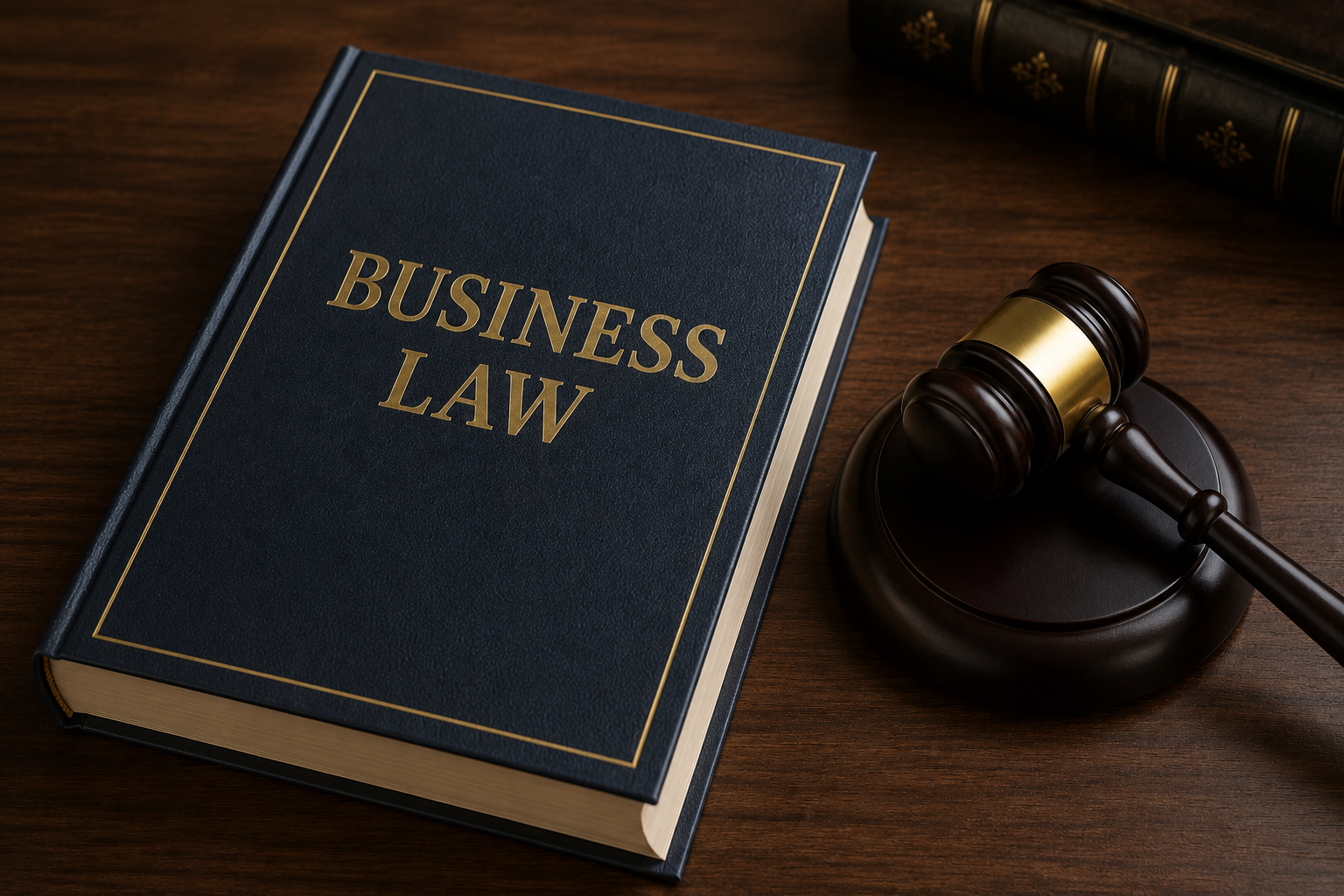
Business Law is the branch of law that governs the formation, operation, management, and closure of businesses. It includes rules related to contracts, taxation, employment, intellectual property, consumer protection, partnerships, corporate compliance, and dispute resolution.
In today’s competitive market, every business—whether a startup, partnership firm, private limited company, or multinational corporation—must follow legal regulations to operate safely and successfully. Business law helps companies avoid legal risks, protect assets, and build trust with customers, employees, and investors.
A strong understanding of business law is essential for smooth business operations and long-term growth.
What is Business Law?
Business Law refers to the legal framework that controls commercial activities and business transactions.
It includes:
- Company formation and registration
- Contract law
- Corporate compliance
- Employment laws
- Taxation laws
- Consumer protection laws
- Intellectual property rights
- Banking and finance laws
- Mergers and acquisitions
- Partnership disputes
- Commercial litigation
Business law ensures fair trade, legal accountability, and financial discipline.
Importance of Business Law
Every business decision has legal consequences. Ignoring legal obligations can lead to penalties, disputes, and financial losses.
Key benefits of business law include:
- Legal compliance
- Protection from lawsuits
- Risk management
- Investor confidence
- Stronger contracts
- Fair employee relations
- Consumer trust
- Business continuity
Legal compliance improves both reputation and profitability.
Business Formation and Registration
The first legal step for any enterprise is choosing the right business structure.
Common business types include:
- Sole Proprietorship
- Partnership Firm
- Limited Liability Partnership (LLP)
- Private Limited Company
- Public Limited Company
- One Person Company (OPC)
Each structure has different:
- Tax obligations
- Ownership rules
- Liability exposure
- Compliance requirements
- Investment opportunities
Choosing the correct structure is a major strategic decision.
Contract Law in Business
Contracts are the backbone of business operations.
Common business contracts include:
- Vendor agreements
- Service agreements
- Employment contracts
- Franchise agreements
- Lease agreements
- Shareholder agreements
- Partnership deeds
- Non-disclosure agreements (NDA)
A poorly drafted contract can create serious legal disputes. Strong legal drafting protects business interests.
Employment and Labour Laws
Businesses must comply with employment laws to protect both employer and employee rights.
This includes:
- Appointment letters
- Salary compliance
- Working hours
- Employee benefits
- Workplace safety
- Termination procedures
- Sexual harassment prevention
- Provident fund and ESI compliance
Failure to follow labour laws may result in heavy penalties and legal action.
Taxation and Financial Compliance
Business taxation is a critical part of legal operations.
It includes:
- Income Tax
- GST compliance
- TDS deductions
- ROC filings
- Company audits
- Financial disclosures
Timely tax compliance prevents penalties and improves financial transparency.
Intellectual Property Protection
Business law also protects intellectual assets.
Examples include:
- Trademark registration
- Copyright protection
- Patent registration
- Brand name protection
- Trade secret protection
- Domain name disputes
Without IP protection, businesses risk losing valuable brand identity and innovation.
Consumer Protection Laws
Customers have legal rights against unfair trade practices.
Businesses must avoid:
- False advertising
- Defective products
- Hidden charges
- Service negligence
- Misleading claims
Consumer disputes can damage both finances and reputation.
Fair dealing strengthens long-term customer trust.
Corporate Governance
Corporate governance ensures companies are managed responsibly and ethically.
It focuses on:
- Board responsibilities
- Director duties
- Shareholder rights
- Financial transparency
- Regulatory compliance
- Ethical management
Good governance improves investor trust and business sustainability.
Commercial Disputes
Business disputes may arise from:
- Breach of contract
- Partnership conflicts
- Recovery disputes
- Shareholder disagreements
- Fraud allegations
- Supplier conflicts
- Employee litigation
- Intellectual property violations
Resolution methods include:
- Litigation
- Arbitration
- Mediation
- Negotiation
Early legal action often prevents bigger losses.
Mergers, Acquisitions, and Expansion
Growing businesses often need legal support for:
- Joint ventures
- Mergers
- Acquisitions
- Investor onboarding
- Cross-border expansion
- Venture capital funding
- Due diligence
Corporate legal planning protects ownership and financial security.
Role of Business Lawyers
Business lawyers help companies stay legally safe and strategically strong.
They assist with:
- Legal advisory
- Contract drafting
- Compliance audits
- Court representation
- Tax support
- Dispute resolution
- Risk prevention
- Investment structuring
Professional legal guidance is a smart business investment.
Why Startups Need Business Law Support
Startups often ignore legal compliance in the early stage.
Important startup legal needs include:
- Founder agreements
- Shareholding structure
- ESOP planning
- Trademark registration
- Investor compliance
- Tax registration
- Employment contracts
Strong legal foundations help startups scale safely.
Conclusion
Business Law is the backbone of every successful enterprise. It protects businesses from unnecessary risks, supports legal growth, and creates a stable operational framework.
From company registration to contracts, taxes, labour compliance, intellectual property, and dispute resolution, business law affects every stage of commercial success.
A legally strong business attracts better investors, builds stronger customer trust, and creates long-term sustainability. In modern commerce, legal planning is not optional—it is essential.